Professionals
Growers, roasters, baristas, tea sommeliers, chocolatiers, pastry chefs, restaurateurs, hoteliers, importers, exporters and franchisees.
Visit
Opening hours, travel, visas, weather and practical tips for your stay in Marrakech.
Who it's for
Growers, roasters, baristas, tea sommeliers, chocolatiers, pastry chefs, restaurateurs, hoteliers, importers, exporters and franchisees.
Investors, start-ups and wholesalers looking for opportunities and partnerships.
Coffee and tea lovers keen on the latest trends and artisan confectionery.
Food lovers, families and travellers discovering the world of coffee, tea and fine food.
Opening hours
Getting there
Marrakech-Menara International Airport (RAK), with flights to Europe, Africa and the Middle East.
Marrakech ONCF station, with direct services to Casablanca, Rabat and Tangier.
Motorways from Casablanca (about 240 km) and Agadir.
Visa
Citizens of many countries, including the EU, the United States, Canada, the United Kingdom, Australia and New Zealand, can enter Morocco visa-free for tourist stays of up to 90 days.
Other nationals must obtain a visa before travelling from a Moroccan embassy or consulate. Allow 5 to 15 working days. The up-to-date list of exempt countries is on consulat.ma.
Exhibitors, speakers and delegations: we provide an official invitation letter for your visa application.
Weather
November days are sunny and mild, around 20–24 °C (68–75 °F). Evenings are cool, 10–12 °C (50–54 °F). Rain is rare.
Where to stay
Marrakech has accommodation for every budget, from palace hotels to riads in the medina. A selection of partner hotels and riads with preferential rates will be published here soon.
Official festival hotel: Grand Mogador Agdal, Marrakech. Discover the hotel →Travelling as a group or delegation? Contact us to plan your stay.
Practical information
Everything you need to know before coming to the festival.
History
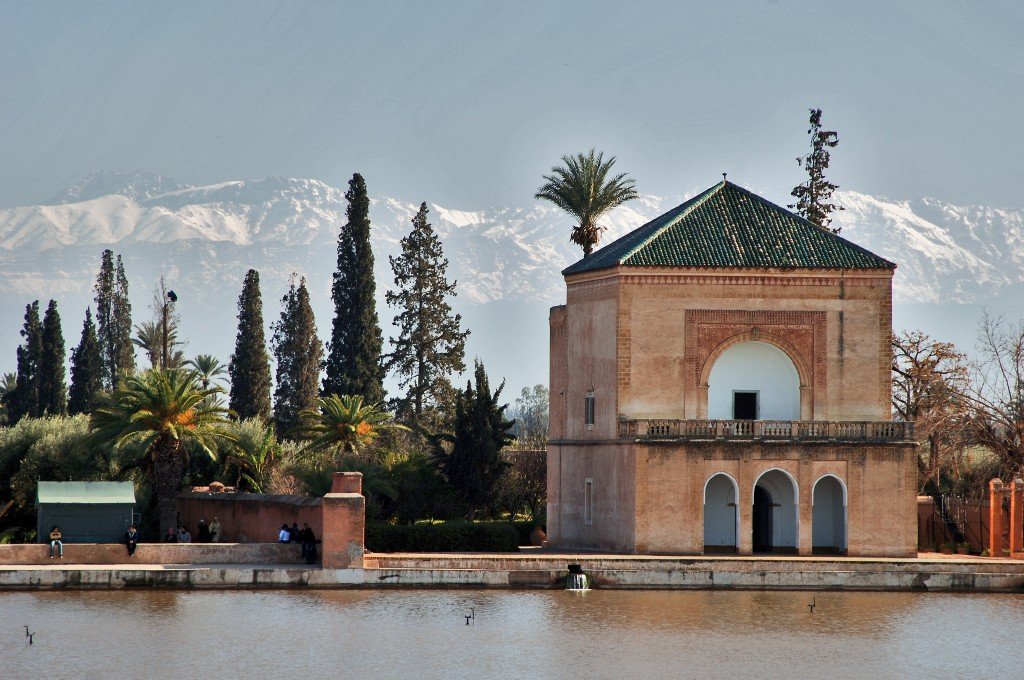
Founded around 1070 by the Almoravid leader Abu Bakr ibn Umar at the foot of the Atlas, Marrakech is one of Morocco's four imperial cities. Its ochre walls and earthen buildings earned it the name “Red City”.
Its name is thought to come from the Amazigh amur n akush, “land of God”. For centuries Morocco itself was known as the “Kingdom of Marrakesh”: the words Morocco, Marruecos and Marokko derive from it, and in Persian or Urdu the country is still called “Marrakesh”.
Founded by the Almoravids as their capital. In 1122–1123 Ali ibn Yusuf built the city walls and brought water through khettaras, underground channels.
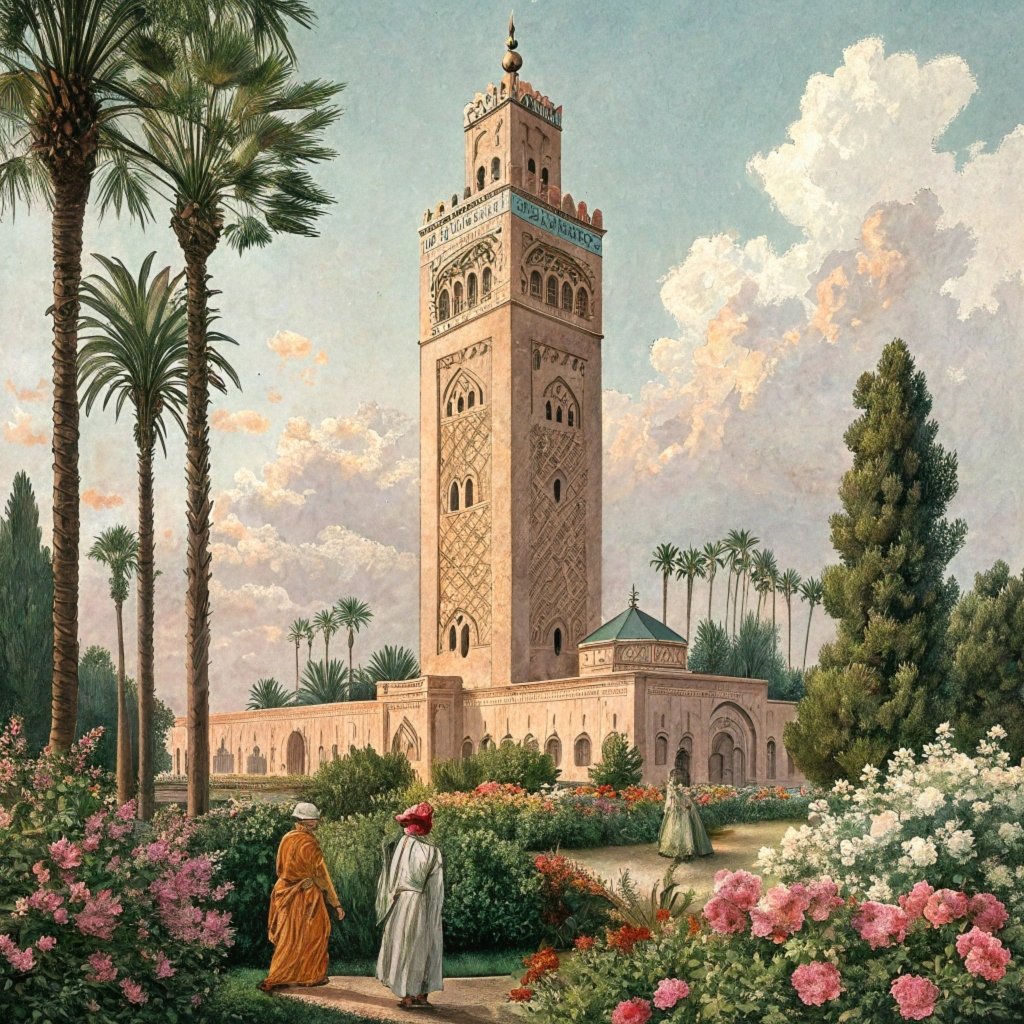
The Almohads take the city and build the Koutoubia and the Menara and Agdal gardens. Marrakech becomes an intellectual centre visited by the philosopher Averroes.
After decline under the Marinids, the Saadians restore its splendour: El Badi Palace, the Saadian Tombs and the mellah (Jewish quarter), founded in 1558.
Marrakech becomes the city of the Seven Saints, whose tombs draw pilgrims during the ziyara.
The French Protectorate, until Mohammed V's return from exile and Morocco's independence in 1956.
The medina, with Jemaa el-Fnaa square, is listed as a UNESCO World Heritage Site.
The agreement creating the World Trade Organization is signed in Marrakech.
Built between 1147 and 1195, a masterpiece of Almohad architecture. Its 77-metre minaret overlooks the city.
The beating heart of the medina: storytellers, musicians, snake charmers and street food late into the night.
Some 19 km of 12th-century walls and about twenty gates, including Bab Agnaou with its Almohad carvings.
Morocco's largest traditional market: carpets, leather, brass, ceramics and thuya wood, made by master craftsmen (maalems).
The Menara and its pool (1157), the 340-hectare Agdal, the Majorelle Garden restored by Yves Saint Laurent, Le Jardin Secret.
El Badi and Bahia palaces, the Saadian Tombs, the Slat al-Azama synagogue and Morocco's largest Jewish cemetery.
Marrakech Museum (Dar Menebhi), Dar Si Said, the Yves Saint Laurent Museum, the Pierre Bergé Berber Museum, the House of Photography.
Mint tea, poured from high into small glasses, goes with tanjia, pastilla and pastries: the hospitality the festival celebrates.